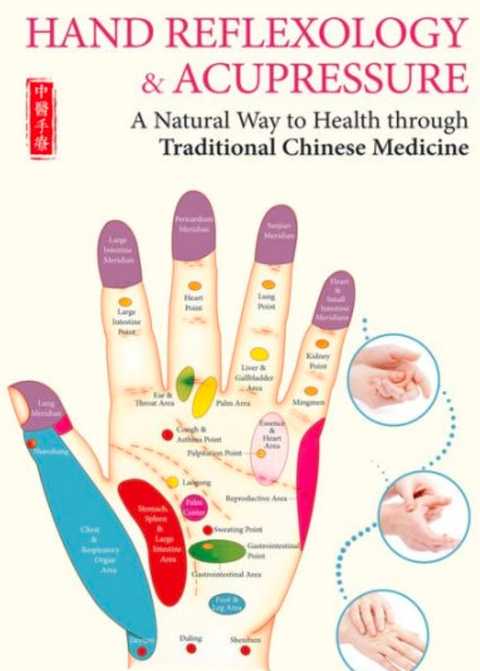
Zones, maps, and pressure
Reflexology uses maps that link points on the feet, hands, and ears to different body areas. A practitioner applies focused pressure to those points with the intent of creating a felt sense of balance and relaxation rather than diagnosing or treating medical conditions. Sessions are tuned to each client’s comfort and responses, so pressure and attention shift as needed.
Because the practice is point-based rather than invasive, results depend on individual sensitivity, timing, and the session focus. Some clients notice immediate calm; others report a subtle progression over several visits. Reflexology is presented here as a complementary approach that supports relaxation and well‑being, not as a replacement for medical care.
What to expect in session
A typical appointment includes a brief check-in about comfort and any health notes, followed by focused work on the feet, hands, and/or ears. Sessions are 60 minutes and priced at $125. You can expect attentive, non-invasive pressure on mapped points while remaining fully clothed; the practitioner adjusts technique to your comfort throughout the visit.
Scheduling is practical for local routines: evening and weekend appointment options accommodate commuters to Fort Liberty and families with shift work. Our busiest months — January, September, and December — reflect demand around post-holiday routines and holiday-stress relief, so booking ahead during those times is recommended to secure your preferred slot.
Choosing reflexology for you
Reflexology is a choice for people looking to reduce stress and increase a sense of balance in daily life. It fits clients wanting a non-pharmaceutical, time-limited session focused on relaxation. If you seek complementary support for well-being or a restorative break between errands, reflexology can be scheduled around courthouse visits or other downtown Raeford appointments.
Our clinic is on the Prospect Avenue commercial corridor near the Hoke County Courthouse, serving Raeford and nearby towns like Fayetteville and Hope Mills. Consider your timing, arrival logistics, and expectations: reflexology is supportive and convenience-focused, and outcomes vary by person and session frequency rather than being guaranteed.